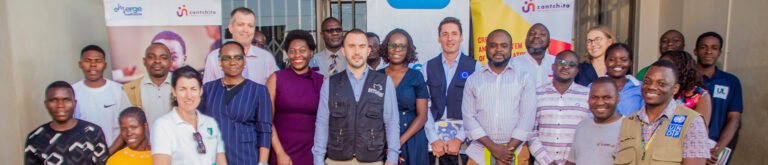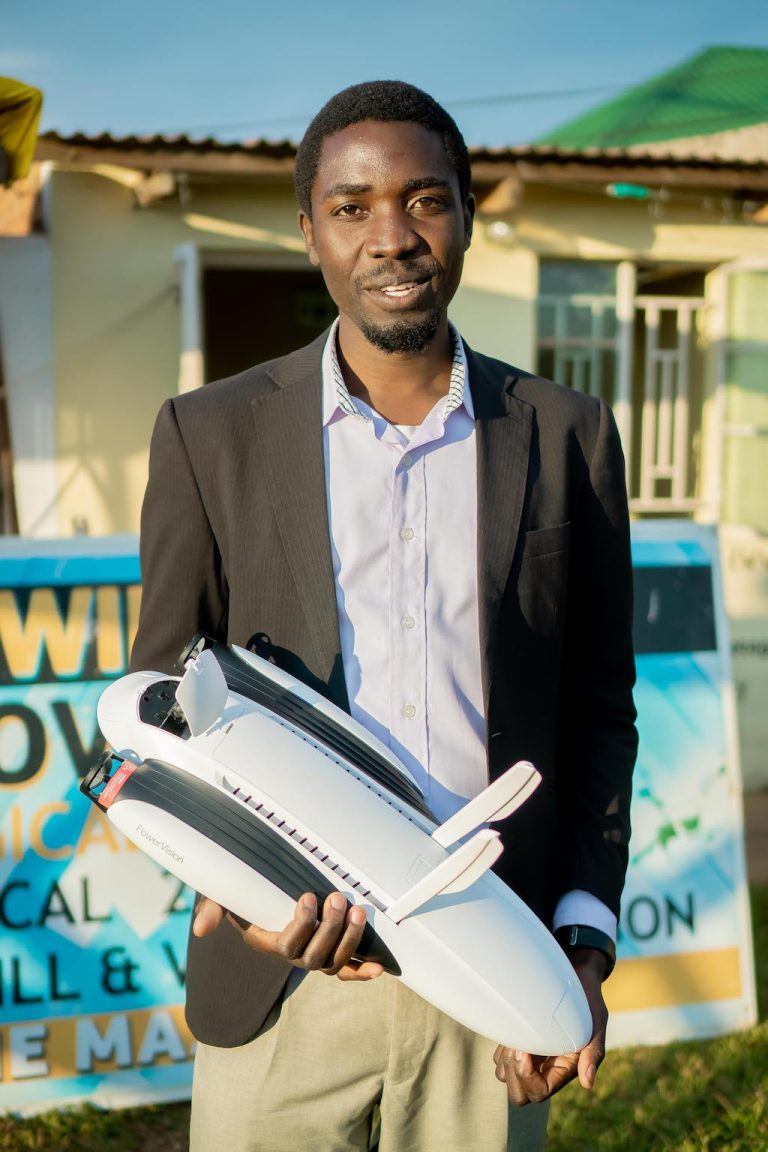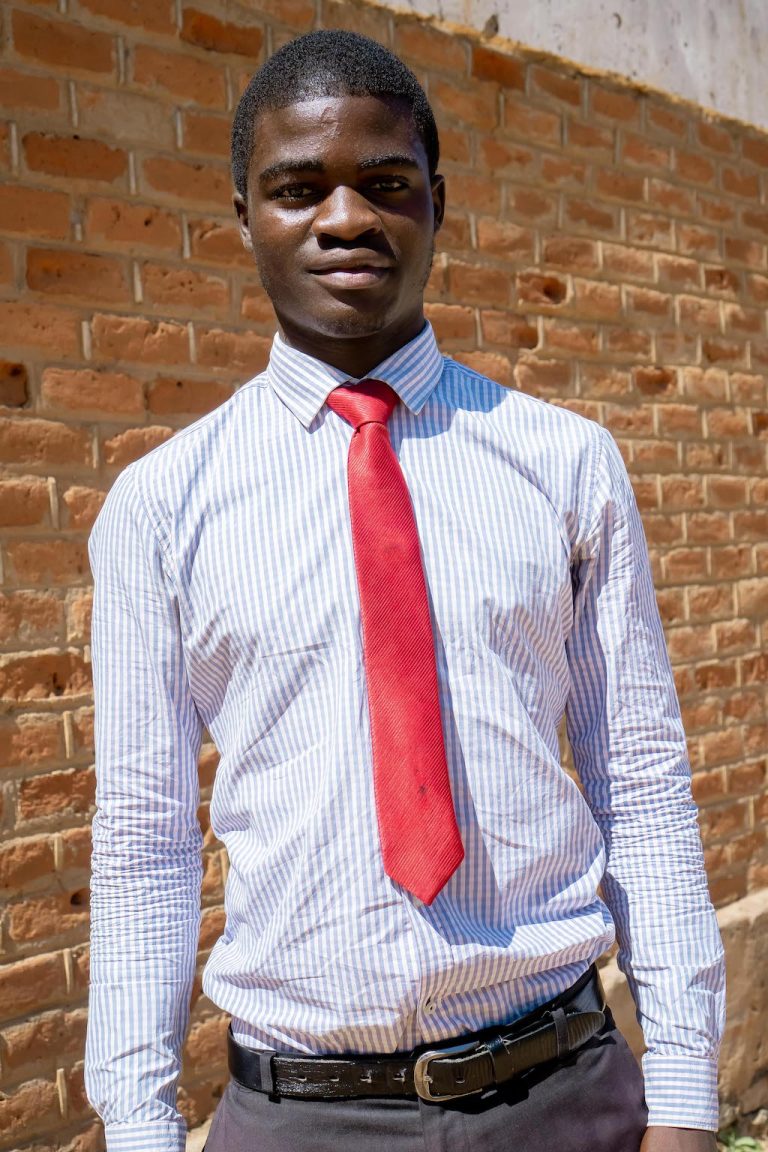
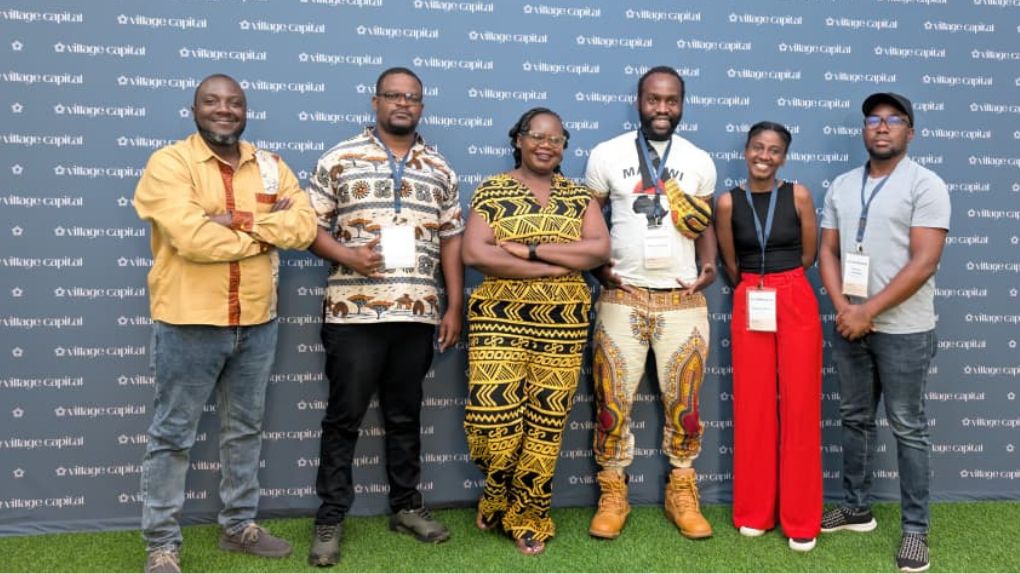
Some of the recipients and Emerge Livelihoods team attending the ESEA Closure Summit
The Empowering Sustainable Entrepreneurship in Africa (ESEA) initiative, a three-year effort by Village Capital and supported by Norway’s Norad agency and co-implemented by Emerge Livelihoods in Malawi was designed to strengthen entrepreneurial ecosystems and expand pathways to capital for climate start-ups across the continent. Malawi’s story reveals how coordinated local leadership, rigorous peer assessment, and professional mentoring sufficed to prepare the next generation of climate entrepreneurs in climate adaptation, food security, renewable energy, and the blue economy with investment-ready support.
When ESEA launched, Village Capital partnered with 14 locally-led Ecosystem Service Organizations (ESOs) across five countries: Ghana, Kenya, Malawi, Mozambique, and Tanzania for capacity building and later selected 5 ESOs to implement the project. In Malawi, Emerge Livelihoods became the critical bridge between ESEA’s curriculum and the entrepreneurs working to solve climate problems on the ground.
During pre-acceleration, Emerge Livelihoods engaged 103 enterprises. From this cohort, 33 were selected for the intensive acceleration program. This deliberate narrowing, from breadth to depth, reflected a core philosophy. ESEA wasn’t designed to touch hundreds of businesses lightly. It was built to transform the ones most ready to scale.
“The most visible shift was in how founders talked about their businesses. At the start of pre-acceleration, many participants struggled to articulate a clear value proposition or explain their numbers with any confidence. By the time we reached the acceleration phase, most of them had financial narratives, cost structures, and revenue projections they could actually defend. That change, from vague ambition to specific, verifiable claims, is the most consistent commercial improvement we saw. The clearest change was in how founders relate to their teams. Before the program, several of them, particularly solo founders, were managing everything themselves and struggling for it. We had a session on leadership and organizational development where most founders resonated with the session. HPN Recycles’ founder shared that after the delegation module, he applied what he learned, and it improved both his team’s performance and their working relationships.” –
Walusungu Chibwe – Investment and Portfolio Analyst at Emerge Livelihoods.
The five-week acceleration phase, from October 2025 through March 2026, looked nothing like traditional incubation program. Instead, founders faced structured peer assessment and rigorous financial scrutiny. The 33 businesses were split into two cohorts to keep sessions interactive and focused. The curriculum moved deliberately: from storytelling and pitch refinement through financial modeling to investment planning and ESG integration.
The backbone was Peer Due Diligence (PDD), a process where founders presented each other’s businesses with unflinching honesty. They assessed viability, impact, returns, alignment, and leadership across eight detailed categories. These enterprises needed to hear hard truths, and they heard them from peers, not external judges.
“One of the most valuable moments for me was going through the peer ranking process with the other founders in our cohort. Having to articulate CAGE’s traction clearly enough for peers to evaluate it forced real honesty about where we stand, and the feedback we got back was some of the sharpest we’ve received on the business. This grant gives us the capital to close the gap between the demand we’re seeing and what we can currently deliver. It lets us bring on more GIS and operations capacity and strengthen our data processing pipeline. We live in a world where data is gold, and being able to translate raw information to data that can inform farmers is one of our core goals. This grant strengthens CAGE’s position to compete for bigger, multi-year contracts with companies and organizations, rather than being limited to single surveys and shorter engagements.”
Ndapile Mkuwu – Co-Founder at CAGE
What followed was the program’s most intimate phase: one-on-one mentoring sessions between each founder and a professional investment analyst. For many early-stage Malawian entrepreneurs, this was their first experience with someone with genuine investment expertise focused entirely on their business.
7 Malawian businesses finished among the top regional performers; it was significant. From those 7, 6 were selected to receive grant funding: Integrated Water and Energy Technologies, Glinks Agri-engineering Investments, Vegan Africa Waste Solutions, and CAGE from climate adaptation; Agricare Chemicals and Seeds from food security; and Sharick Agriculture and Fisheries from the blue economy
“My greatest experience in the ESEA Project has been becoming part of a community of innovative African entrepreneurs who are solving real challenges across the continent. The opportunity to learn from fellow founders, engage with investors and ecosystem partners, and explore collaboration opportunities has broadened my personal perspective on how Sharick can scale beyond Malawi. Being selected for the grant is also a strong validation of our vision to build a more inclusive and resilient aquaculture sector. The grant will enable us to strengthen key areas of our operations that directly support business growth. We will invest in improving our production and aggregation capacity, enhance operational efficiency, and strengthen our systems to better serve smallholder fish farmers and commercial markets. These improvements will allow us to increase fish volumes handled, improve product quality, expand market reach, and position Sharick to attract additional investment as we continue to scale.” –
Dennis Chinkhata – Founder at Sharick
ESEA deployed USD 500,000 across 32 start-ups across all five countries. Malawi received USD 100,000, allocated across the six selected start-ups. For enterprises like IWET, working on water and energy access, or Vegan Africa Waste Solutions, tackling the massive problem of agricultural waste, these grants could unlock the next phase of growth. These weren’t venture capital investments. They were catalytic grants meant to help start-ups move from proof-of-concept to proof-of-market. In Malawi, where early-stage capital access is severely limited, these grants could unlock the next phase of growth.
For Emerge Livelihoods, the journey from 103 engaged enterprises through 33 accelerated businesses to 6 grant recipients reflects ESEA’s core philosophy: start broad to identify potential, narrow focus to develop capacity and concentrate resources where impact and readiness align.
4 of the 6 grant recipients together with the implementing team at Emerge Livelihoods attended ESEA’s closure summit, where they interacted with investors, development finance partners, and entrepreneurs across the region.
“The greatest impact has been in strengthening founder capability, improving enterprise readiness, and increasing the visibility of climate-focused startups. For Malawi, the program has been especially valuable in helping entrepreneurs move from early-stage ideas and informal growth plans toward more structured business models, clearer market positioning, better financial understanding, and stronger preparation for investor conversations. The program has also helped build a stronger climate enterprise pipeline. By surfacing enterprises in food security, climate adaptation, and renewable energy, ESEA has supported businesses that are directly responding to Malawi’s climate, livelihood, and economic resilience challenges. This is important because these enterprises are not only pursuing commercial growth; they are also contributing practical solutions for communities affected by climate and market shocks.”
Erastus Makena – Investment Analyst at Village Capital
The ESEA Program demonstrated that with the right design, including local leadership, peer accountability, professional mentoring, and rigorous assessment, emerging markets can develop strong pipelines of investment-ready climate entrepreneurs. Malawi’s ecosystem is stronger for it.